
Creating a healthy and inviting living environment goes beyond décor and lighting—your choice of houseplants can actively transform the air quality and ambience of your home. If you’ve ever wondered how to combine beauty with function, exploring the world of air-purifying houseplants is a practical and rewarding step. This ultimate guide dives deep into the best plants that naturally cleanse your indoor air, how to care for them, and tips to make your space both vibrant and healthier.
Why Should You Consider Air-Purifying Houseplants?
Indoor air pollution is a less visible yet common concern, often caused by volatile organic compounds (VOCs), mold, and airborne particles from everyday household products. Studies, including NASA’s Clean Air Study, have shown that certain houseplants can remove toxins such as benzene, formaldehyde, and trichloroethylene from the air, improving overall indoor air quality.
Beyond air purification, houseplants increase humidity, reduce stress, and boost productivity. Whether you live in a small apartment or a spacious house, integrating these green allies can make a noticeable difference in your environment.
What Are the Best Houseplants for Purifying Your Home?
Not all plants have the same capacity to filter indoor air pollutants. Here’s a carefully curated list of the top houseplants known for their air-cleaning properties, with easy care tips included:
| Plant | Air-Purifying Benefits | Light Requirements | Care Tips |
|---|---|---|---|
| Spider Plant (Chlorophytum comosum) | Removes carbon monoxide, formaldehyde, and xylene | Bright, indirect light | Water moderately; thrives in well-draining soil; ideal for beginners |
| Snake Plant (Sansevieria trifasciata) | Filters benzene, formaldehyde, and nitrogen oxides | Low to bright indirect light | Water sparingly; tolerates drought; perfect for low-light rooms |
| Peace Lily (Spathiphyllum) | Eliminates ammonia, benzene, formaldehyde, and trichloroethylene | Low to medium indirect light | Keep soil moist; avoid direct sunlight; blooms indoors |
| Boston Fern (Nephrolepis exaltata) | Removes formaldehyde and improves humidity | Indirect light, humid environment | Keep soil consistently moist; mist regularly; prefers cooler temperatures |
| Areca Palm (Dypsis lutescens) | Filters xylene and toluene; natural humidifier | Bright, indirect light | Water when topsoil is dry; avoid cold drafts; grows tall as a focal point |
How Do These Plants Purify the Air?
Houseplants improve air quality through a natural process called phytoremediation. Their leaves absorb pollutants, which are then broken down by the plant or soil microbes. For example, formaldehyde, a common indoor toxin from furniture and cleaning products, is absorbed through the leaves and metabolized into harmless compounds.
Additionally, plants release oxygen and increase humidity, which can alleviate respiratory discomfort, especially in dry indoor environments.
Can Houseplants Replace Air Purifiers?
While plants contribute positively to air quality, they are not a complete substitute for mechanical air purifiers, especially in homes with significant pollution or allergens. However, combining houseplants with good ventilation and regular cleaning creates a synergistic effect for a fresher and healthier atmosphere.
How to Choose the Right Houseplants for Your Space?
Consider your home’s lighting, humidity, and your personal care routine before selecting plants:
- Lighting: Most air-purifying plants prefer indirect sunlight. Assess whether your rooms receive bright, moderate, or low light to match plant needs.
- Space: Some plants like the Areca Palm grow tall and need room to expand, while others like the Spider Plant fit well on shelves or hanging baskets.
- Maintenance: If you’re new to plant care, start with resilient species like the Snake Plant or Spider Plant, which require minimal attention.
- Pets and Safety: Check if plants are non-toxic if you have pets or children.
What Is the Best Way to Care for Air-Purifying Houseplants?
Successful plant care involves balancing light, water, and soil conditions:
- Watering: Overwatering is a common mistake. Most houseplants prefer the soil to dry slightly between waterings. Use pots with drainage holes to prevent root rot.
- Humidity: Some plants, like Boston Ferns, need higher humidity. Use pebble trays or humidifiers if your air is dry, especially in winter.
- Cleaning: Dust accumulates on leaves reducing their ability to filter air. Gently wipe leaves with a damp cloth every 2–3 weeks.
- Fertilizing: Feed plants with a balanced, diluted fertilizer during the growing season (spring to summer) every 4–6 weeks.
Case Study: How Adding Houseplants Improved One Home’s Air Quality
Jessica, a homeowner in an urban area, struggled with dry air and mild allergies. After introducing a Snake Plant, Peace Lily, and Spider Plant into her living room and bedroom, she noticed less dust accumulation and fewer allergy symptoms within three months.
Jessica followed a simple routine of watering weekly, providing indirect light, and dusting leaves. The plants not only enhanced her décor but also created a fresher environment. This example illustrates how consistent care and strategic placement maximize benefits.
What Are Some Creative Ways to Incorporate Houseplants into Your Home?
Beyond traditional pots on windowsills, try these ideas:
- Hanging Planters: Great for trailing plants like Spider Plants, freeing up surface space.
- Plant Walls: Vertical gardens can transform an empty wall into a green statement and improve air quality in larger rooms.
- Bathroom Greens: Plants like Boston Ferns thrive in humid bathrooms, adding freshness and style.
- Desk Plants: Smaller varieties like succulents or Snake Plants improve focus and air quality in workspaces.
Summary and Next Steps: Transform Your Space Today
Adding air-purifying houseplants is a natural, effective way to enhance your home’s atmosphere. By selecting plants suited to your environment and care routine, you not only improve air quality but also add life and beauty to your surroundings.
Start small with easy-care options like the Snake Plant or Spider Plant, then gradually build your indoor garden. Remember to monitor light, water, and cleanliness to keep your plants healthy and thriving.
Ready to breathe easier and enjoy a greener home? Visit your local nursery or online plant store today and pick your first air-purifying plant. With patience and care, your space will soon transform into a refreshing haven.

Exciting Opportunities as Bunnings Warehouse Is Hiring

The Silent Erosion: How Gaslighting Impacts Relationships

Navigating Modern Love: How Dating Apps Shape Relationships

Unlocking Lasting Romance: A Guide to Modern Dating Dynamics
Revamping Small Spaces: Smart Decor Ideas for Style and Function

Innovative Home Cleaning Hacks for a Pristine Space

Transform Your Space with Smart Closet Organization Strategies
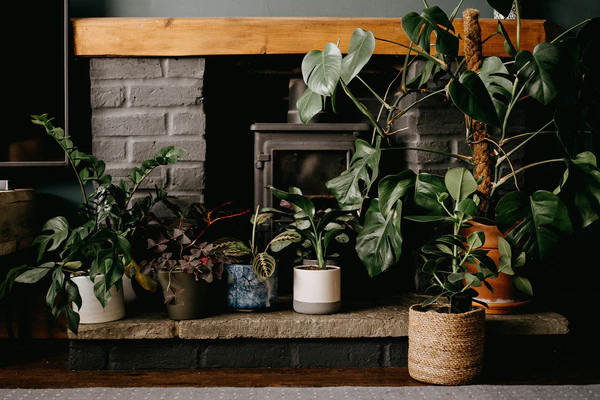
Transform Your Space with Houseplants That Purify Your Home

Mastering Home Care: Essential Cleaning Tips for a Pristine Home