
In the complex world of relationships, trust and clarity are vital for emotional well-being. However, there is a subtle, often overlooked danger that can undermine these foundations: gaslighting. This psychological manipulation tactic causes individuals to doubt their own perceptions, memories, and sanity. Understanding gaslighting is crucial, especially for those seeking to nurture healthy partnerships. This article explores what gaslighting is, how it manifests in relationships, its profound impact, and practical steps to identify and address it.
What Exactly Is Gaslighting?
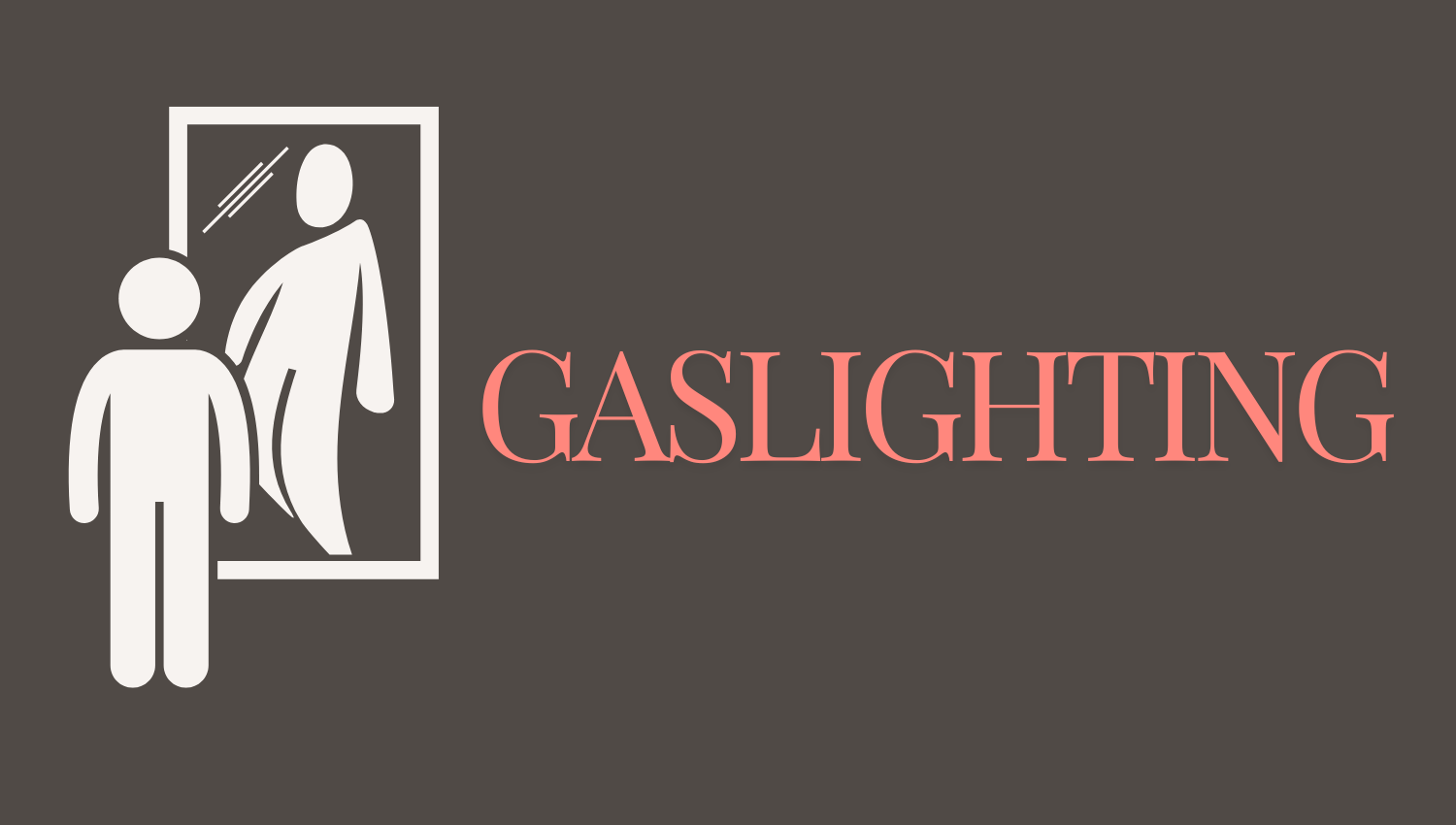
Gaslighting is a form of emotional abuse where one person systematically manipulates another to the point where the victim questions their reality. The term originates from the 1938 play “Gas Light” and its subsequent film adaptations, where a husband attempts to make his wife doubt her sanity by flickering gas lights and denying it.
In relationships, gaslighting often involves denying events, twisting facts, or trivializing feelings. The abuser’s goal is to gain power and control by making the partner feel confused, anxious, and dependent on their version of the truth.
Common Gaslighting Behaviors
- Denying something they previously said or did, even with evidence.
- Minimizing your feelings or telling you that you’re “too sensitive.”
- Blaming you for things that aren’t your fault.
- Using contradictory information to confuse you.
- Isolating you from friends and family to increase dependence.
How Can You Recognize Gaslighting in Your Relationship?
Gaslighting is often subtle and gradual, making it difficult to identify. Here are some signs that might indicate you are experiencing this form of manipulation:
- Constant Self-Doubt: You frequently question your memory or judgment.
- Feeling Confused or “Crazy”: You struggle to maintain a consistent understanding of events.
- Apologizing Excessively: You find yourself apologizing even when you believe you did nothing wrong.
- Withdrawing from Loved Ones: You avoid sharing your feelings or experiences with others.
- Feeling Insecure or Worthless: Your self-esteem diminishes over time.
For example, consider a partner who frequently says, “You’re imagining things,” after you confront them about hurtful behavior. Over months, this can erode your confidence in your own feelings.
What Is the Impact of Gaslighting on Relationships?
The consequences of gaslighting are profound and multifaceted, affecting emotional health and the relationship’s stability.
| Impact Area | Potential Consequences |
|---|---|
| Emotional Health | Increased anxiety, depression, chronic self-doubt, and loss of identity. |
| Communication | Breakdown of open dialogue, mistrust, and misunderstandings. |
| Relationship Dynamics | Power imbalances, control issues, and emotional dependency. |
| Long-Term Effects | Post-relationship trauma, difficulty trusting others, and ongoing psychological distress. |
Studies suggest that victims of gaslighting often experience symptoms similar to post-traumatic stress disorder (PTSD). The erosion of self-trust can take months or even years to heal, underscoring the importance of early recognition.
How Can You Protect Yourself or Loved Ones from Gaslighting?
Awareness and proactive strategies are key to countering gaslighting. Here are actionable steps to take:
1. Trust Your Feelings and Perceptions
Document conversations or events by keeping a journal. This creates a tangible record that can validate your experiences when your memory is challenged.
2. Seek External Perspectives
Talk to trusted friends, family members, or counselors who can offer objective viewpoints and support.
3. Set Firm Boundaries
Clearly communicate unacceptable behaviors and consequences. If the other person dismisses or mocks your boundaries, reconsider the relationship’s health.
4. Educate Yourself About Gaslighting
Understanding manipulation tactics empowers you to identify and confront them early. Books, reputable websites, and therapy can be valuable resources.
5. Consider Professional Support
Therapists specializing in emotional abuse can help rebuild your confidence and develop coping strategies. Couples therapy may be appropriate if both partners acknowledge the problem.
Can Gaslighting Be Reversed or Healed?
Recovery from gaslighting is possible but requires commitment and often professional help. Healing involves:
- Rebuilding trust in your own perceptions.
- Strengthening self-esteem and emotional resilience.
- Learning healthy communication and boundary-setting skills.
- Processing trauma through therapy or support groups.
In some cases, ending the relationship may be necessary for physical and emotional safety. However, recognizing gaslighting is the first step toward reclaiming control and fostering healthier connections.
Summary and Next Steps
Gaslighting is a silent erosion of trust and self-confidence in relationships. By understanding its mechanisms and recognizing the signs, individuals can protect themselves from emotional harm. The impact of gaslighting can be severe, but with awareness, support, and action, healing and healthier relationships are achievable.
If you suspect you or someone you love is experiencing gaslighting, start by documenting incidents and reaching out for support. Remember, your feelings and reality matter. Empower yourself with knowledge and take steps toward a respectful and trusting relationship.
Take action today: Reflect on your relationships, identify any red flags, and seek guidance if needed. Your emotional well-being deserves attention and care.

Exciting Opportunities as Bunnings Warehouse Is Hiring
The Silent Erosion: How Gaslighting Impacts Relationships
Navigating Modern Love: How Dating Apps Shape Relationships
Unlocking Lasting Romance: A Guide to Modern Dating Dynamics

Revamping Small Spaces: Smart Decor Ideas for Style and Function

Innovative Home Cleaning Hacks for a Pristine Space

Transform Your Space with Smart Closet Organization Strategies

Transform Your Space with Houseplants That Purify Your Home

Mastering Home Care: Essential Cleaning Tips for a Pristine Home